
Back at work after colorectal cancer and my body did not get the memo
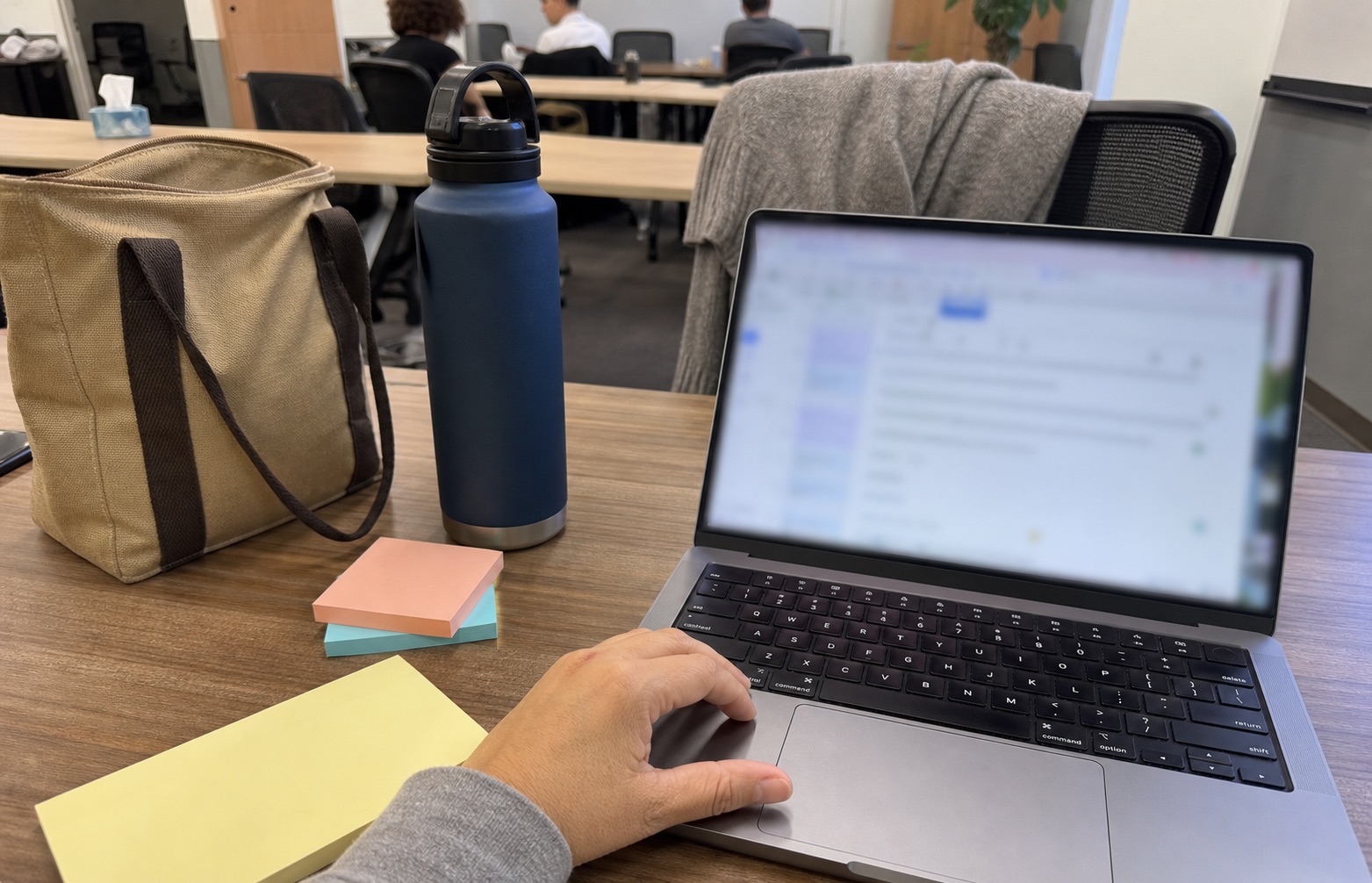
I returned to work three weeks after finishing the planned part of colorectal cancer treatment. My coworkers decorated my desk and meant it kindly. By noon I was exhausted, worried about the bathroom, and trying not to cry in a conference room.
On paper I am back. In my body I am still recovering from surgery, chemo, and a digestive system that has opinions about everything. I have follow-up with my team and I will ask them the medical questions. I am asking here about the human part.
How did you explain "I am back but not back to normal" without telling everyone your private bathroom details?
Replies
The first quiet stretch after surgery and chemo was harder than I knew how to explain. During active treatment there was always a next task: labs, infusion, radiation time, surgery follow-up, or a call from someone checking on me. I complained about that schedule, but it also held me. When it loosened, my mind filled the space with fear. People around me heard "finished" and thought the danger had left the room. My body knew it was not that simple.
What helped was asking my oncology and survivorship team to write down the next follow-up step, which symptoms should prompt a call, and who handled late effects. That did not remove uncertainty, but it gave the quiet a door to knock on. Peer support helped with the loneliness, while the medical team handled interpretation and decisions. You are not ungrateful for feeling complicated after good news.
The body changes after colorectal cancer treatment surprised me because I expected the emotional part to improve once treatment ended. Instead, I kept meeting reminders in ordinary places: the mirror, the shower, the grocery store aisle, the stairs at work. bathroom urgency, neuropathy, appetite changes, and fatigue made me feel older and less private, and I hated that I could be grateful for care while grieving the body I had before.
I brought those changes to my survivorship appointment even though I worried they sounded small compared with cancer. The nurse did not treat them as small. She helped me sort what was expected, what needed follow-up, and what could be supported with rehab, counseling, or practical adjustments. I learned that quality of life belongs in the appointment too. Forums gave me language for the feelings, but I still used my care team for symptom questions.
Surveillance week still changes the weather inside my house. I can be making dinner or answering an email and suddenly remember that a scan, lab, or exam is coming. The appointment itself may be routine for the clinic, but for me it opens the file on diagnosis day. I know better than to interpret results without my oncology and survivorship team, and I still have to work hard not to refresh the portal when I am tired.
My best boundary has been process questions. When will results be reviewed? Who calls? What should I do if I see a result before the message? What symptoms should not wait? Those answers give the week edges. I also keep the day after results as light as possible, even when I expect good news. Follow-up care can be reassuring and frightening at the same time. That does not mean you are doing survivorship wrong.
From the caregiver side, after treatment required a different kind of humility. During surgery and chemo, I had obvious jobs and a calendar full of ways to be useful. Afterward I kept wanting to celebrate loudly or solve every worried look. Sometimes that made the person I loved feel pressured to reassure me. I had to learn that my relief was real, but it was not the only truth in the room.
The better question became, "Do you want practical help, quiet company, or space today?" I also stopped guessing about symptoms at the kitchen table. If something seemed medical, we wrote it down for my oncology and survivorship team or called the nurse line. My own fear needed its own outlet so it did not land on the patient as another chore. Caregiving after treatment is less dramatic, but it still matters.
The hardest family sentence for me was, "Aren't you done now?" I knew people meant hope, and sometimes I snapped anyway because my days still included bathroom planning, work limits, and scan dates. I finally made a small script: "Active treatment is finished, and recovery and follow-up are still happening." It was plain enough that I could say it without crying, and specific enough that people stopped expecting instant normal.
I also chose one trusted person to receive the longer version. Everyone else got brief updates after appointments, once my team had explained results or next steps. That protected me from becoming a public information desk about my own body. You can be thankful and still need boundaries. You can love your family and still ask them not to turn every lab or symptom into a group discussion.
The outside version of waiting on back sounds small, but inside it can be the whole day.
The phrase I used was, "I will update you after I have real information." It felt stiff, but it protected a little air around back.
That waiting on back feeling can take up the whole room. I would not call that dramatic.
What helped me was writing, "what do I need to watch for, and what can wait?" It made waiting on back less shapeless.
The ridiculous part is how ordinary back looks from the outside. Inside, it can feel like an entire committee meeting.
When I was unsure about back, tracking timing helped me talk to the care team without trying to diagnose myself from fear.
No advice, just naming that back can be a lot to carry. I hope today has one quiet corner.
That waiting on fatigue feeling can take up the whole room. I would not call that dramatic.
There is a very specific tired that comes from waiting on back. I wish it came with a punch card and snacks.
You are allowed to feel tired and still trying. Back is not only a detail when it is happening to your body or your family.
With family, I had to make fatigue a boundary instead of a debate. That was uncomfortable and still worth it.