
Neuropathy notes I wish I had started earlier
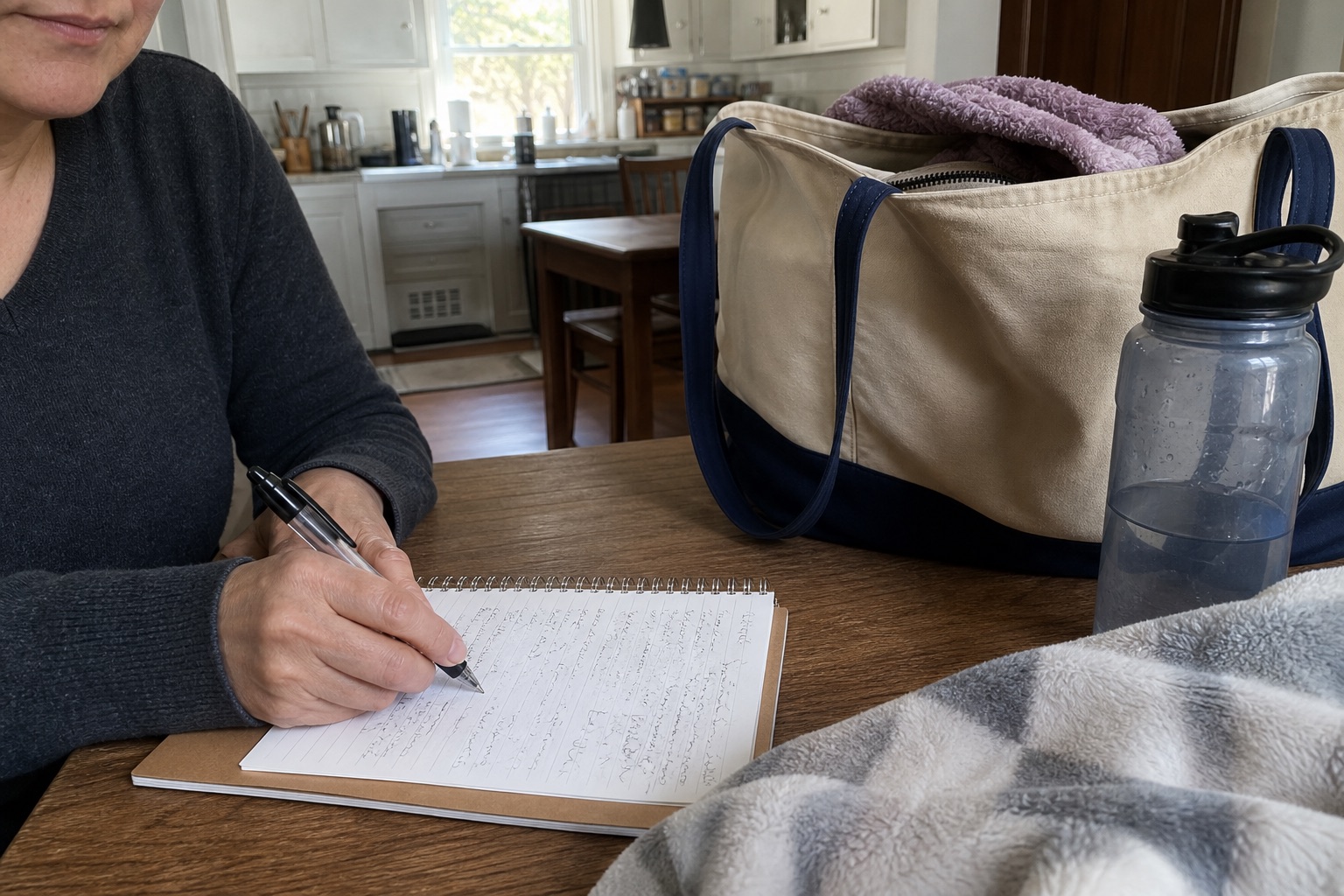
I want to share something I wish I had done from the first tingle: write down neuropathy changes in plain language. I am not giving medical advice, and I am not asking anyone to compare symptoms or tell me what mine mean. My oncologist and nurse are handling that. I waited too long to describe what was happening because I kept thinking it was too vague.
My notes now include where I feel it, when I notice it, whether buttons, typing, walking, or sleep are affected, and what questions I want to ask at the next visit. I write what changed since the last cycle.
Chemo makes time blurry. Without notes, I would say about the same when it was not really the same.
Replies
I remember the first time neuropathy changes became the center of the day instead of a side note. I had expected chemotherapy to be hard in a general way, but the details were what wore me down: the timing, the family questions, the way my body changed the rules after I thought I understood them. What helped was writing down what actually happened instead of trying to summarize it as "fine" or "awful." Both words were too blurry.
At my next visit, I brought the notes to my oncologist. I did not ask the internet to decide what was normal for me, and I did not try to prove I was tough. I described what changed, what made daily life harder, and what I was afraid of. That gave the team something real to respond to. The emotional relief came from not carrying it alone. Chemo already takes enough energy; pretending not to notice things takes even more.
From the caregiver side, neuropathy changes taught me that support has to become specific. At first I kept saying, "Tell me what you need," which sounded kind but put another job on the patient. Once we saw the pattern, I started offering concrete help: rides, a quiet kitchen, fewer visitors, written questions for the nurse, or handling updates to relatives. The difference in the house was immediate.
I also learned to ask before taking over. My loved one still needed control over small choices, especially when treatment had taken control of so many big ones. We kept the clinic number visible and let the oncology team answer medical questions. My job was not to solve chemotherapy. My job was to make daily tasks less chaotic and to believe what I was being told. When patients say something feels different, caregivers should listen first and troubleshoot later with the care team.
From a nurse perspective, neuropathy changes is worth bringing to your own oncology team in plain language. You do not need medical vocabulary, and you do not need to wait until you can make a perfect case. Tell us when it started, what has changed since the last treatment, what daily activities are affected, and whether anything else is happening that your team asked you to report. Those details help us decide who needs to be involved.
Online peers can be very helpful for courage, scripts, and emotional steadiness. They should not be used for diagnosis, medication changes, dosing, non-prescribed add-ons, or deciding whether to ignore a symptom. If you feel unsure, call the number your clinic gave you. Patients often apologize for calling, but communication is part of chemotherapy care. Your team would rather hear a clear description than have you sit at home trying to rank your suffering.
The work and family logistics around neuropathy changes surprised me almost as much as the symptom itself. I could explain an infusion appointment on a calendar. I could not easily explain why I might be present at breakfast and gone by lunch, or why a small errand suddenly needed planning. People wanted a predictable version of chemotherapy, and my body did not provide one.
I started using short scripts. For work: "Treatment is affecting my schedule this week, and I will update deadlines when I know more." For family: "I need help with practical things, not more questions right now." Those sentences kept me from giving long medical explanations I was not qualified to give. I also asked the social worker and nurse navigator about paperwork and resources. If chemotherapy is affecting your household rhythm, that is not a side issue. It is part of care, and it deserves planning.
The emotional part of neuropathy changes was that it made multiple myeloma visible in ordinary places. The kitchen, the shower, the car, the calendar, the office chat, the mirror. I could handle a serious appointment because everyone there understood why I was serious. At home, I felt strange being so changed while the laundry and mail kept acting normal.
What helped was letting one or two trusted people hear the unpolished version. Not the brave update, not the tidy summary, just "this is harder than I expected today." I still took medical questions to the oncologist and nurse, but peers helped me feel less alone with the human mess around the medical plan. You do not have to make every hard part inspirational. Sometimes the honest win is noticing the hard part and asking for company while you move through it.
Snack bag note for oncology visit: what feels concrete here. The practical corner of this matters here. For me, that can sit beside the feelings without replacing them, even if it only starts as a note in a snack bag.
Snack bag note for oncology visit: the thing I would bring forward. The thing I would not minimize matters here. For me, that is enough to ask for support around, even if it only starts as a note in a snack bag.
Notebook note for oncology visit: the note I would keep nearby. The practical corner of this matters here. For me, that can be the next step, not the whole plan, even if it only starts as a note in a notebook.
Questions list note for oncology visit: the phrase I would use for myself. The line I would keep visible matters here. For me, that is a real thing to carry, even if it only starts as a note in a questions list.
Portal rule note for oncology visit: one way I would frame this. The first practical detail matters here. For me, that can be smaller than the whole story, even if it only starts as a note in a portal rule.
Phone alarm note for oncology visit: one way I would frame this. The sentence I would save matters here. For me, that belongs on its own line, even if it only starts as a note in a phone alarm.
I would keep messy questions list notes before the next practical step: something I would give room to is that people may need help understanding what kind of help is useful. I would keep it simple and let it be real.
I would keep gentle portal rule notes while the day is still settling: what I would tell a close friend is that you can be steady and overwhelmed in the same afternoon. It helped me when someone did not rush past that part.
I would keep small notebook notes before turning it into a long explanation: what I would want someone to notice is that the quiet parts are still part of the story. That is still worth saying.
I would keep honest phone alarm notes while the day is still settling: the small truth I would keep is that feelings often arrive out of order. It can be small and still matter.